
Slow Cooker Korean Beef: Effortless Flavor Explosion at Home
Last Updated on March 13, 2026 by Margarida
After a long day filled with hustle and bustle, nothing beats the comforting aroma of a home-cooked meal wafting through the air. This Slow Cooker Korean Beef is my go-to recipe when I’m craving something hearty yet effortlessly delicious. Picture tender chunks of beef simmered slowly in a rich, savory-sweet sauce that dances with garlic, ginger, and a hint of spice. It s one of those meals that not only satisfies your hunger but also warms your soul.
The best part? With just a few minutes spent prepping ingredients, you can let your slow cooker take care of the rest! Whether you’re prepping it for a family dinner or meal prepping for the week ahead, this dish is incredibly versatile swap in your favorite protein like chicken or tofu, or keep it classic with beef. Let s dive into how to create this easy, weeknight game-changer that s sure to impress everyone around your table.
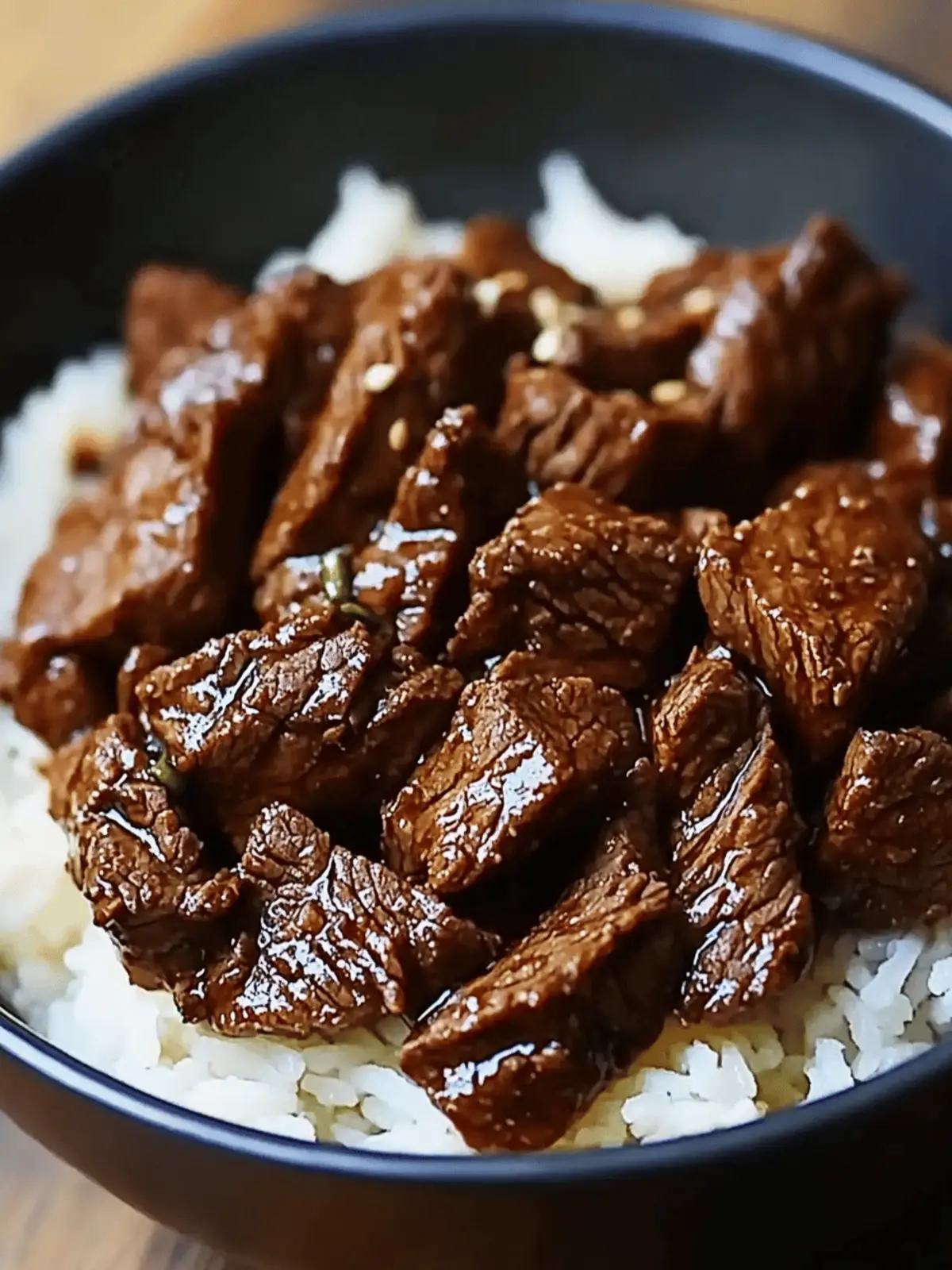
Why is Slow Cooker Korean Beef a Must-Try?
Flavorful, this dish bursts with umami goodness, making it irresistible.
Effortless preparation allows you to put everything in the slow cooker and walk away.
Versatile options mean you can easily customize with beef, chicken, pork, or tofu!
Perfect for Meal Prep, this recipe keeps well in the fridge, allowing flavors to deepen.
Crowd-Pleasing, it s sure to delight family and friends at your next gathering. Try serving it over rice, quinoa, or wrapped in lettuce for a fresh twist!
Slow Cooker Korean Beef Ingredients
For the Flavor Base
Onion Diced onions enhance the savory depth of the dish.
Garlic Crushed garlic adds warmth and complexity to the sauce.
Ginger Minced ginger contributes a zesty kick and enhances the overall taste.
Rice Wine Vinegar Balances sweetness in the sauce for a well-rounded flavor.
Sesame Oil Adds a nutty richness that perfectly complements the beef.
For the Sauce
Soy Sauce Provides the main savory base; interchange with low-sodium soy sauce for a healthier option.
Beef Stock Embeds moisture and flavor; chicken or vegetable stock can be used as alternatives.
Brown Sugar Sweetens and balances the umami; consider honey or maple syrup for a sweeter twist.
Red Chili Flakes Adjust according to taste; for a spicier kick, gochujang can be a fantastic substitute.
For the Protein
Chuck Beef Cut into bite-sized cubes, it s ideal for slow cooking; feel free to swap for pork, chicken, or tofu based on preference.
For Thickening
Cornstarch Use this thickening agent to create a rich sauce; mix with water to make a slurry before adding.
Transform your kitchen into a flavor-filled haven with these Slow Cooker Korean Beef ingredients, ready to impress!
How to Make Slow Cooker Korean Beef
Combine all the flavor base ingredients in your slow cooker: diced onion, crushed garlic, minced ginger, rice wine vinegar, sesame oil, soy sauce, beef stock, brown sugar, and red chili flakes. Stir to mix thoroughly.
Add the beef cubes to the mixture, ensuring every piece is well coated with that luscious sauce.
Cover your slow cooker and set it to low. Let it cook for 8 hours, or until the beef is fork-tender and succulent.
Mix cornstarch with a bit of water to create a slurry, then add it to the slow cooker. This will help thicken the sauce.
Increase the heat to high and cover again. Cook for an additional 30 minutes, until the sauce has thickened to your liking.
Serve hot and, if desired, garnish with sliced green onions and sesame seeds for a delightful finish!
Optional: Add chopped cilantro for a fresh touch!
Exact quantities are listed in the recipe card below.
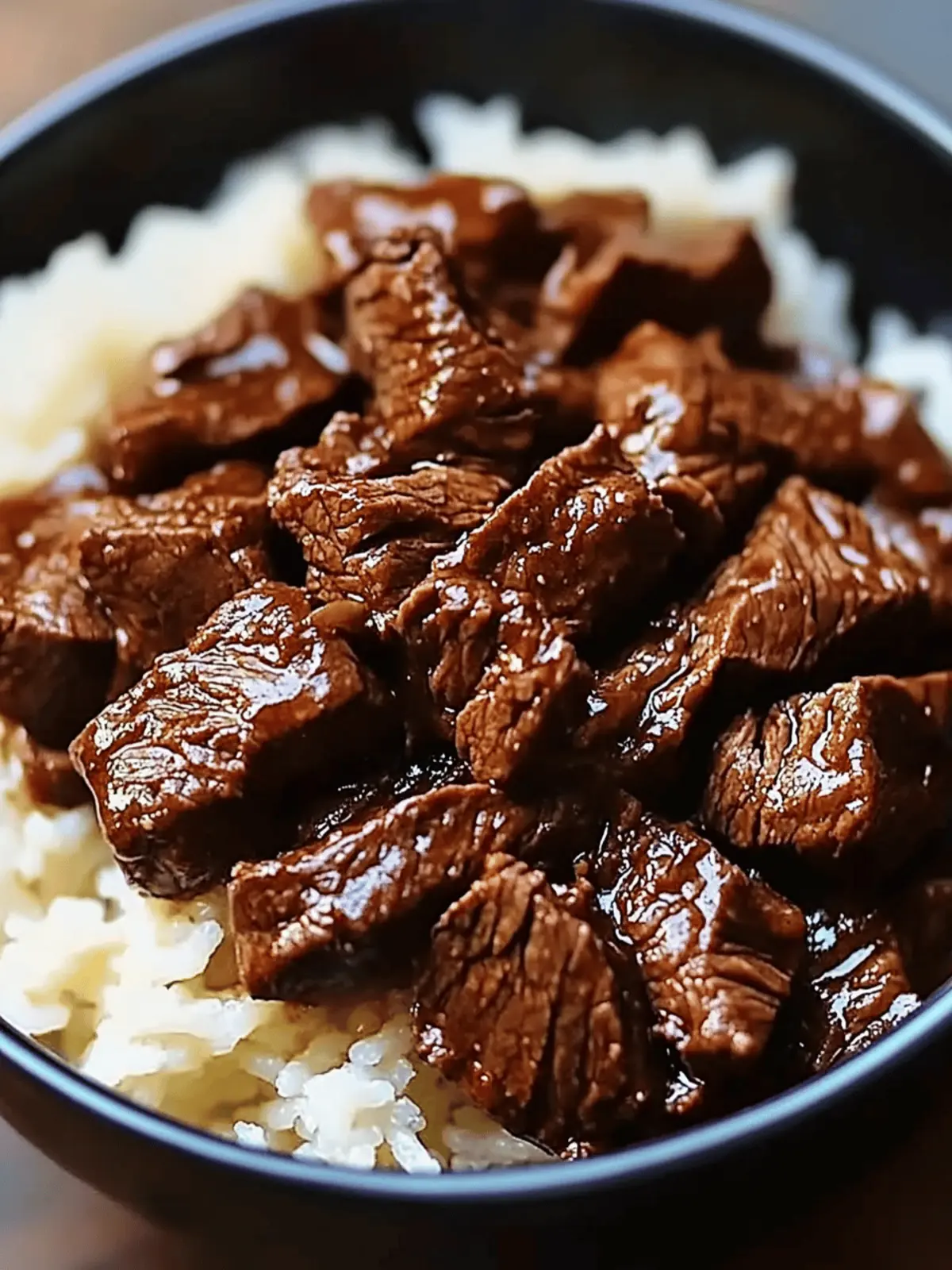
Expert Tips for Slow Cooker Korean Beef
Choose the Right Cut: Select well-marbled cuts of chuck beef for maximum tenderness and flavor. Avoid lean cuts to prevent dryness.
Don t Rush Cooking: Low and slow is the way to go! Cooking on high heat initially can toughen the meat, so stick to low for optimal results.
Flavor Boost: For even deeper flavors, consider adding a splash of extra rice wine vinegar or a sprinkle of fresh herbs like cilantro before serving.
Meal Prep Friendly: Store leftover Slow Cooker Korean Beef in an airtight container for up to four days. The flavors intensify beautifully over time!
Thickening Secrets: If the sauce isn t thick enough, add more cornstarch slurry gradually. Remember, excess liquid can be adjusted, but it’s hard to fix an overly thick sauce.
Slow Cooker Korean Beef Variations
Feel free to get creative and customize this dish to suit your taste preferences and dietary needs!
- Chicken: Swap the beef for boneless, skinless chicken thighs for a lighter option that still packs flavor.
- Pork: Use pork shoulder for a deliciously rich twist; it also becomes wonderfully tender when slow-cooked.
- Tofu: Replace beef with firm tofu for a plant-based take that soaks up all the yummy sauce.
- Low-Sodium: Choose low-sodium soy sauce and beef stock to keep it healthy, perfect for those watching their salt intake.
- Sweetness Variations: Experiment with honey or maple syrup instead of brown sugar for a unique sweetness that still balances the savory flavors.
- Heat Levels: For more heat, incorporate extra red chili flakes or a spoonful of gochujang to elevate the spice factor.
- Veggie Boost: Toss in some veggies like bell peppers or carrots in the last hour of cooking for added nutrition and texture.
- Fusion Twist: Try using the cooked beef as a filling for tacos or serve it in a lettuce wrap for a fun and fresh presentation!
Let your imagination run wild and enjoy the personalized flavors of your Slow Cooker Korean Beef!
What to Serve with Slow Cooker Korean Beef?
Creating a full meal is effortless when you have the right sides ready to complement the rich flavors of your dish.
- Steamed Jasmine Rice: The fluffy, aromatic grains soak up the savory sauce, making each bite satisfying and delightful.
- Garlic Green Beans: Crisp-tender beans saut ed with garlic add freshness and a pop of color to your plate.
- Pickled Vegetables: Tangy, crunchy vegetables balance the richness of the beef, providing a refreshing contrast to every bite.
- Cauliflower Rice: A low-carb alternative, it absorbs the delicious sauce beautifully while keeping your meal light and healthy.
- Korean Potato Salad: Creamy and mildly sweet, this side dish pairs wonderfully with Korean flavors, offering a comforting texture.
- Spicy Cucumber Salad: Cool, crisp cucumbers tossed in a spicy vinegar dressing lighten up the meal and add a zesty crunch.
- Sesame Noodles: Silky noodles tossed in sesame sauce enhance the umami profile of the beef for a delightful fusion experience.
- Ginger Tea: A warm cup of ginger tea serves as a soothing drink, rounding off the meal with warmth and comfort.
- Chocolate Mochi: For dessert, the chewy texture and rich chocolate filling of mochi provide a unique treat that complements the meal.
Make Ahead Options
These Slow Cooker Korean Beef preparations are perfect for those busy nights when you need a delicious meal ready to go! You can chop the onions, garlic, and ginger up to 24 hours in advance and refrigerate them in an airtight container to preserve their flavor. Additionally, you can measure out the sauce ingredients and store them separately for up to 3 days. When you re ready to cook, simply combine all the prepped ingredients with your choice of protein in the slow cooker. This way, you can enjoy the same delicious taste while saving time, making weeknight dinners stress-free and satisfying!
How to Store and Freeze Slow Cooker Korean Beef
Fridge: Store in an airtight container for up to 4 days. The flavors will deepen, giving you even more delicious meals throughout the week.
Freezer: Freeze in an airtight container for up to 3 months. Thaw in the refrigerator overnight before reheating for a comforting meal.
Reheating: When reheating, add a splash of water or broth to maintain the rich texture of the sauce and prevent dryness. Warm gently on the stovetop or in the microwave.
Meal Prep Tip: Prepare a double batch for hassle-free weeknight dinners. This Slow Cooker Korean Beef tastes just as good (if not better!) after being stored.
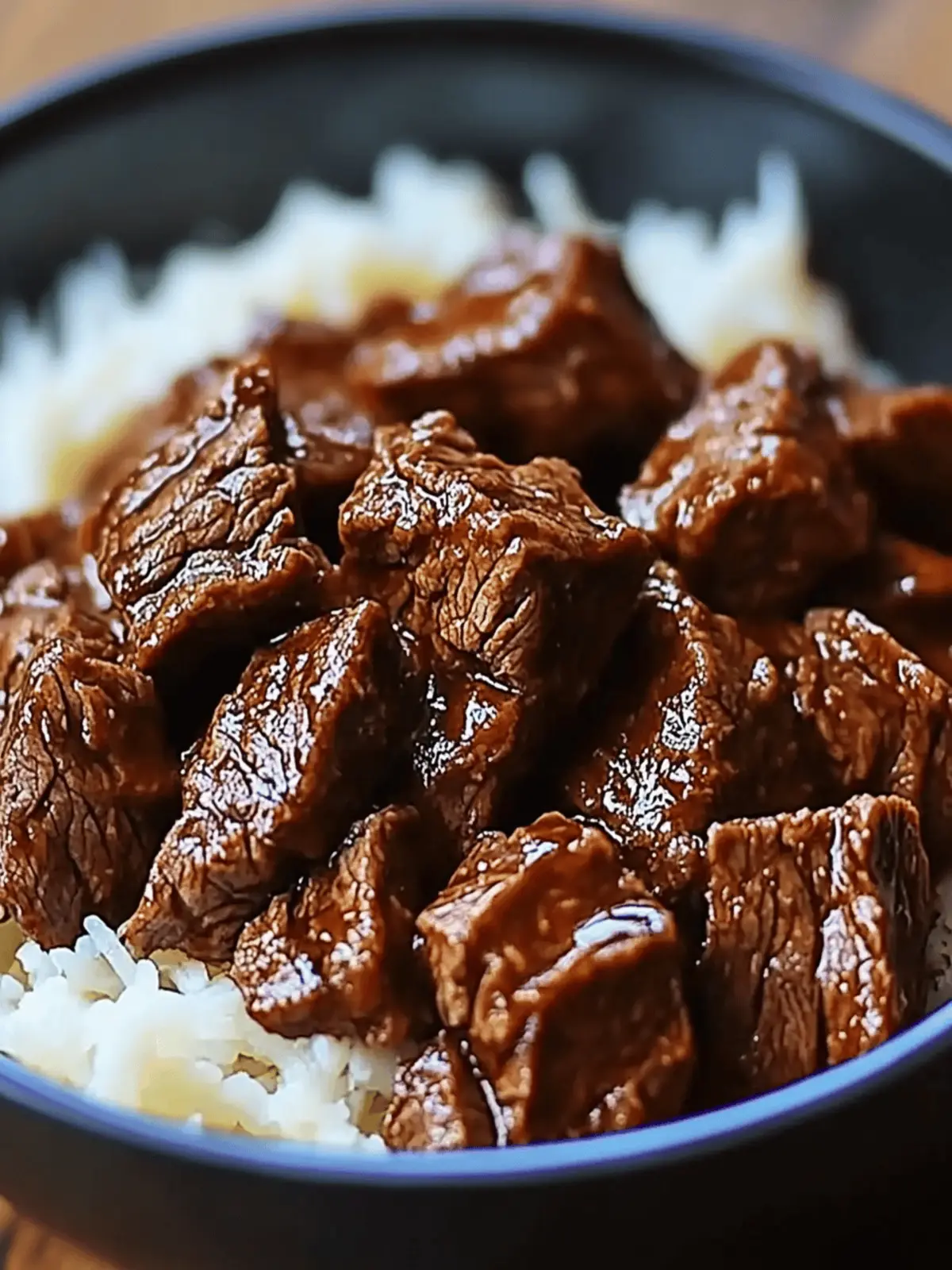
Slow Cooker Korean Beef Recipe FAQs
How do I choose the right cut of beef for this recipe?
Absolutely! For the best results, go for well-marbled cuts like chuck beef, as the fat content will keep the meat tender during the slow cooking process. Lean cuts can dry out, so steer clear of them for this recipe. If you’re looking for alternatives, pork shoulder or tofu are great substitutions that also absorb those delicious flavors beautifully.
How should I store leftover Slow Cooker Korean Beef?
Very simply! Place your leftovers in an airtight container and refrigerate for up to 4 days. The flavors will continue to deepen in the fridge, making each bite even more delightful. Just remember to let it cool completely before sealing to avoid condensation!
Can I freeze Slow Cooker Korean Beef, and how do I do it?
Yes, you can! Freeze the Korean beef in an airtight container for up to 3 months. To freeze, let the dish cool completely, then portion it into freezer-safe bags or containers. Label them for easy identification. When you re ready to enjoy, simply thaw in the refrigerator overnight, then reheat with a splash of broth or water to keep the sauce from drying out.
Is this dish safe for people with allergies?
Good question! This recipe contains soy sauce, which may not be suitable for individuals with soy allergies. Consider using a soy sauce alternative, like coconut aminos, for a similar flavor profile without the allergens. Always double-check ingredient labels to ensure they fit within your dietary needs.
What should I do if my sauce doesn t thicken properly?
No worries at all! If your sauce isn’t thick enough after the cooking time, you can easily adjust it. Make a slurry by mixing 1 tablespoon of cornstarch with 2 tablespoons of cold water. Stir this into the slow cooker and increase the heat to high, cooking for an additional 15-30 minutes until the sauce thickens to your liking. This method enhances the richness without compromising your dish!
Can I use other proteins in this recipe?
The more the merrier! This recipe is incredibly versatile. While chuck beef is traditional, you can easily substitute chicken, pork, or even tofu if you’re looking for a vegetarian option. Just keep in mind that cooking times may vary based on the protein you choose. Enjoy experimenting!